Sleep and Testosterone: The Connection Most Men Over 40 Are Ignoring
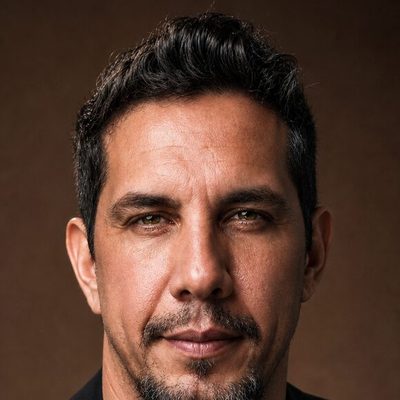
Andrei Alencar
Nutritionist · BJJ Black Belt · Alpha40Fit
You can take every supplement on the market and none of it matters if you’re sleeping 5 hours a night.
That’s not an opinion. It’s what the research shows.
A 2011 study from the University of Chicago measured testosterone levels in healthy young men across a week of sleep restriction — from 8 hours down to 5. After just one week, their daytime testosterone levels dropped 10 to 15% (PubMed: Leproult & Van Cauter, 2011, JAMA).
These were young men. Men already operating at peak testosterone levels. The effect in men over 40 — who are already running lower — is proportionally worse.
Why Sleep Is Your Primary Testosterone Factory
The mechanics are straightforward.
Approximately 70% of daily testosterone secretion happens during sleep, specifically during REM cycles and slow-wave (deep) sleep. Your hypothalamus releases gonadotropin-releasing hormone (GnRH) at night, which triggers LH (luteinizing hormone) from the pituitary, which tells the testes to produce testosterone.
Disrupt sleep → disrupt the hormonal cascade → less testosterone produced.
This isn’t the only mechanism. Sleep deprivation also elevates cortisol — your body’s stress hormone. Cortisol and testosterone are biochemical antagonists. When cortisol stays elevated through chronic poor sleep, it actively suppresses testosterone synthesis.
You’re fighting a two-front battle: less production, more suppression.
The “I Function Fine on 6 Hours” Problem
Most men who sleep 6 hours say they’re fine with it. Their subjective experience feels manageable. They’ve adapted.
The problem is that hormonal damage doesn’t announce itself as tiredness. It shows up as:
- Slower muscle gain despite consistent training
- Increased irritability without obvious cause
- Reduced sex drive that you chalk up to “age” or “stress”
- Brain fog that makes afternoon work feel like a grind
- Recovery that takes 2 days where it used to take 1
These are the symptoms of blunted testosterone, elevated cortisol, and elevated inflammatory markers — all consequences of chronic mild sleep deprivation. And “chronic mild” means 6 hours for years.
Sleep Architecture After 40
Here’s where it compounds for men our age: sleep architecture changes with age.
Older men spend less time in slow-wave sleep — the deepest, most hormonally productive phase. You wake more easily. You fall back asleep less deeply. The structure of your sleep shifts toward lighter stages.
This means even if you’re in bed 7–8 hours, the quality of those hours may be lower than it was at 30. Total sleep time matters, but sleep depth matters just as much.
Practical Changes That Actually Help
Most sleep advice is useless. “Sleep in a cool room” and “avoid blue light” — fine, but insufficient. Here’s what I actually prioritize:
Consistent wake time. More powerful than a consistent bedtime. Anchor your circadian rhythm to a fixed wake time 7 days a week. Your body regulates sleep pressure accordingly.
Light exposure in the first 30 minutes after waking. Direct sunlight (or bright indoor light) in the morning sets your circadian clock and improves sleep depth the following night. This is one of the most underrated sleep interventions.
Alcohol before bed destroys slow-wave sleep. Even one drink significantly reduces deep sleep percentage. If testosterone optimization is a real priority, this is worth taking seriously.
Training timing. Intense training within 3 hours of bed elevates cortisol and delays sleep onset. Morning or early afternoon training generally produces better sleep quality.
Magnesium glycinate. One of the few supplements with solid evidence for sleep quality improvement. 200–400mg before bed. It supports GABA signaling, reduces cortisol, and improves slow-wave sleep depth. This is why I look for it in any hormonal health stack.
The ROI on Sleep
Men invest serious money in supplements, training gear, and nutrition. Then sleep 6 hours.
It’s the highest-return intervention in male hormonal health, and it’s free. No prescription. No purchase. Just an actual commitment to protecting 7–8 hours of quality sleep.
If you’re doing everything else right and still feeling flat — energy, libido, gym performance — look at your sleep first. Not the supplements.
Fix sleep. Build on that foundation. Then add the other variables.
The body repairs itself at night. After 40, that repair work becomes more important than it’s ever been.
Frequently Asked Questions
How much does poor sleep lower testosterone?
A lot, fast. When healthy young men were cut to five hours of sleep for one week, their daytime testosterone fell 10–15% (PubMed: Leproult & Van Cauter, 2011, JAMA). For men over 40 already running lower, the proportional hit is worse.
Why does sleep matter so much for testosterone?
Roughly 70% of daily testosterone is secreted during sleep, driven by the GnRH–LH cascade that fires at night. Disrupt sleep and you disrupt production — while also raising cortisol, which actively suppresses testosterone. It’s a two-front loss.
Is six hours of sleep enough?
For most men, no. Six hours for years is “chronic mild” deprivation — the damage shows up as slower muscle gain, low drive, irritability, and afternoon brain fog rather than obvious tiredness.
Does magnesium help sleep?
It’s one of the few supplements with solid evidence for sleep quality. Magnesium glycinate, 200–400 mg before bed, supports GABA signaling and deeper slow-wave sleep — the most hormonally productive phase.
What’s the single most effective sleep fix?
A consistent wake time seven days a week, plus bright light in the first 30 minutes after waking. Anchoring your circadian rhythm does more than any gadget, and it’s free.
The Formula I Point Readers To · Affiliate Link
Rather buy one capsule than four separate bottles?
EndoPeak
Everything this article points to — Tongkat Ali to lower SHBG, plus magnesium, saw palmetto and epimedium — assembled in a single formula. It's the male-performance stack I'm comfortable putting my name next to, because the ingredient choices are defensible (I broke them all down in my review).
🛡60-day money-back guarantee. A fair 90-day trial risks nothing.
Free PDF
Get the free Testosterone After 40 Field Guide
The short list of what actually moves your testosterone — with the studies behind it. No spam. Unsubscribe anytime.